Voor Europese langeafstandsreizigers is de vlucht naar Oost-Azië een flinke investering — wat het combineren van twee bestemmingen in één reis steeds aantrekkelijker maakt. Korea en Japan, dichte buren met eigen culturen, vormen samen vanzelf één gedenkwaardige reis.
Een Korea–Japan twin-centre-reis geeft je zowel diepgang als variatie in één once-in-a-lifetime-trip. Zo pak je het aan.
In het kort
Vluchttijd tussen de landen: ongeveer 1,5–2,5 uur · ook een sneltrein-ferry mogelijk tussen Busan en Fukuoka · gangbare verdeling: 5–7 nachten per land in een reis van 12–16 dagen · beide landen delen dezelfde piekseizoenen (lente en herfst) · Busan is het natuurlijke bruggenhoofd tussen beide landen.
Waarom de combinatie werkt
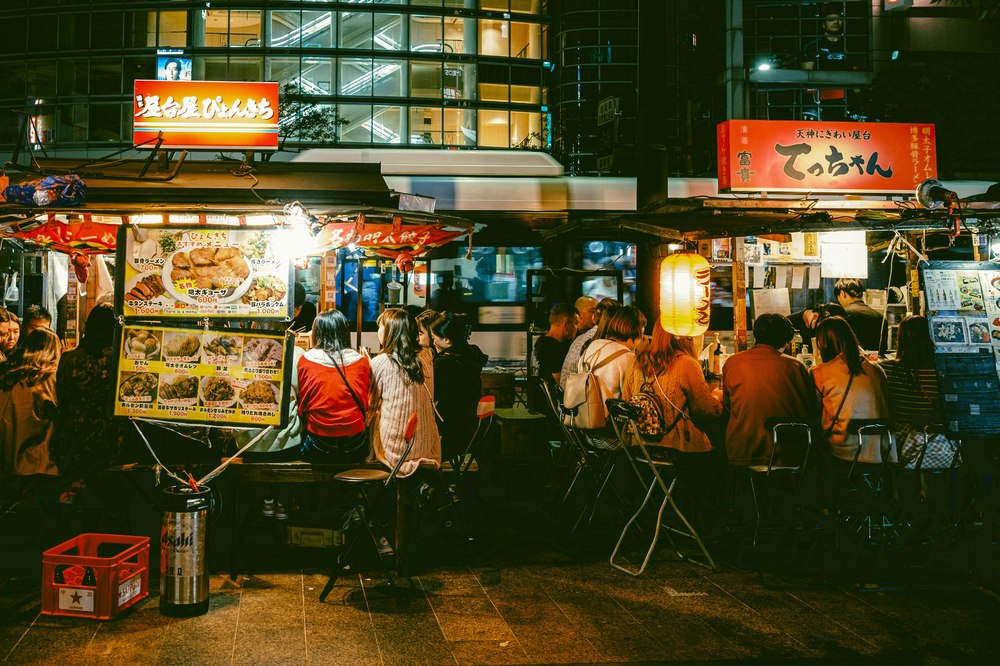
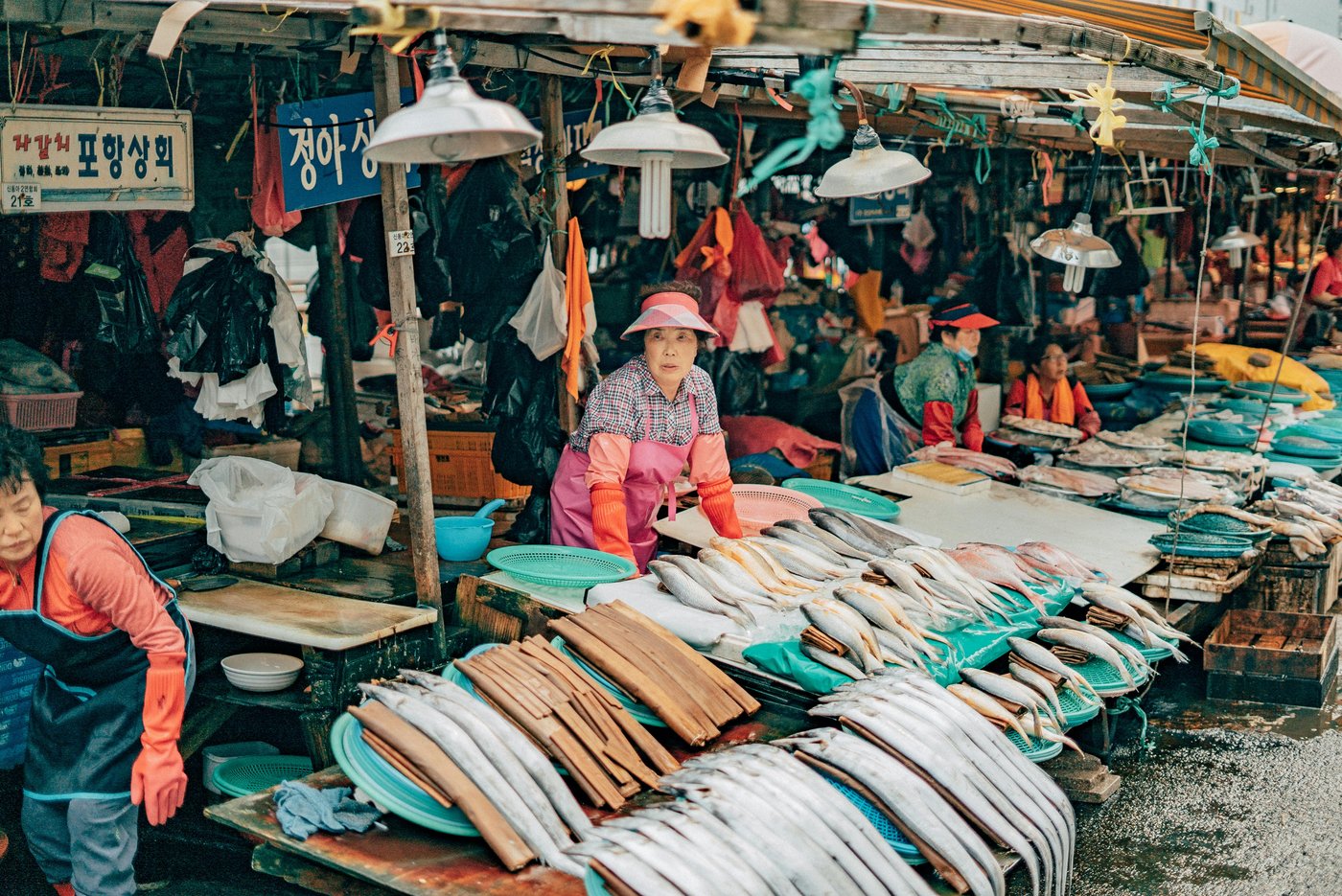
Korea en Japan liggen geografisch dicht bij elkaar maar zijn cultureel verschillend — genoeg contrast om als twee reizen te voelen, zonder de langeafstandskosten van twee aparte reizen. Reizigers krijgen zowel diepgang als variatie: Korea's dynamische steden en eetcultuur naast Japans tempels, ryokan en platteland. Waar Korea vaak verrast met een bruisend, modern tempo, oogst Japan juist bewondering om zijn traditie en rust — de twee versterken elkaar in plaats van te concurreren.
Route en verbindingen
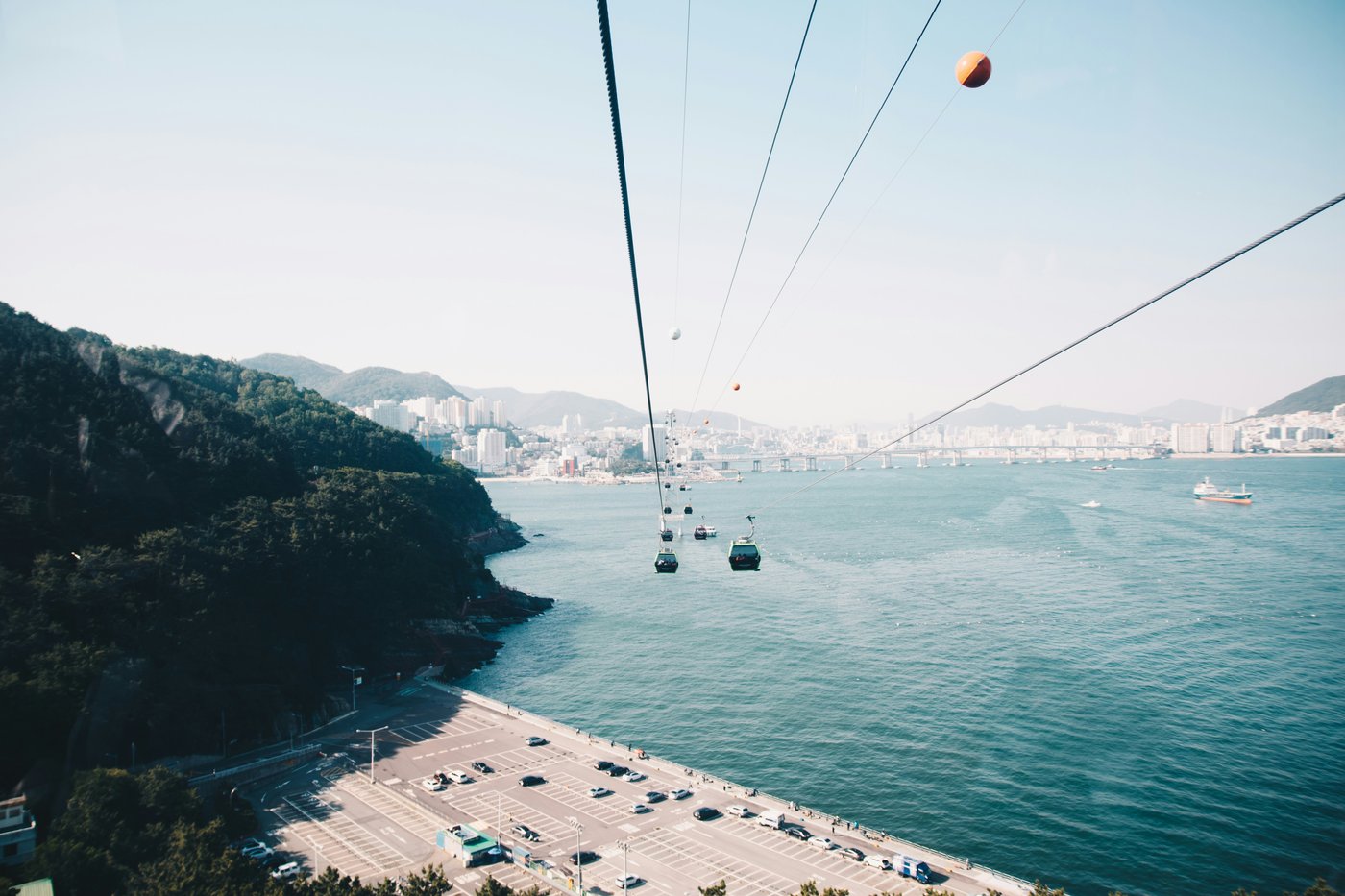
De twee landen zijn goed verbonden met korte vluchten — Seoul of Busan naar Tokio, Osaka of Fukuoka in ongeveer 1,5 tot 2,5 uur. Een open-jaw-route werkt goed: heen naar het ene land en terug vanuit het andere om heen-en-weer reizen te vermijden. Busan, in het zuiden van Korea, is een natuurlijk bruggenhoofd richting West-Japan — naast vliegen is er zelfs een hogesnelheidsferry tussen Busan en Fukuoka, in ongeveer drie uur, een sfeervol alternatief voor wie liever niet nog een vlucht neemt.
Voorgestelde opbouw
Een gangbare verdeling is vijf tot zeven nachten per land binnen een reis van 12 à 16 dagen. Begin met Korea of Japan afhankelijk van de vluchtroute en de interesse van de reiziger, en houd het tempo realistisch — dit is een reis die twee goed geplande helften beloont in plaats van een race door beide. Een voorbeeldopbouw van 14 dagen: 4 nachten Seoul, 2 nachten Gyeongju of Busan, over naar Japan voor 4 nachten Kyoto/Osaka en 4 nachten Tokio. Reizigers met meer interesse in natuur en rust wisselen in Japan vaak een stad in voor een nacht in een ryokan.
De juiste timing
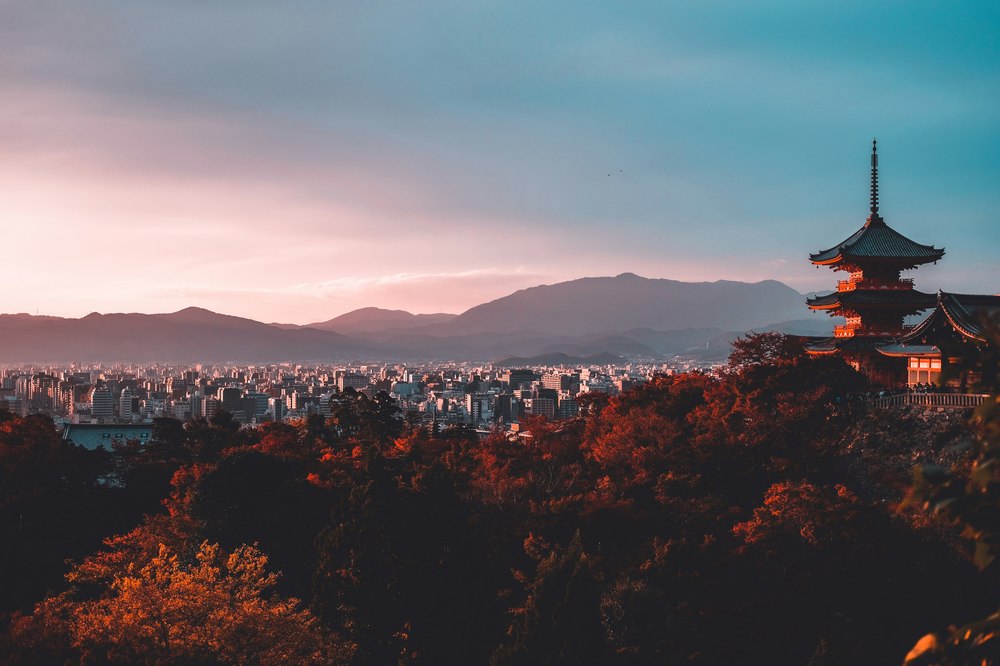
Beide landen delen vergelijkbare seizoenspieken — kersenbloesem in de lente en herfstkleuren in de herfst — dus goede timing komt beide delen tegelijk ten goede. Dit zijn ook de drukste, meest gevraagde periodes, wat betekent dat twin-centre-reizen extra vroeg geboekt moeten worden: reken op zes tot negen maanden vooruit voor de beste hotels en ryokans in beide landen tijdens deze pieken.
Praktische aandachtspunten
- Twee valuta's. Won in Korea, yen in Japan — wissel per land een klein bedrag en gebruik verder je bankpas; beide landen zijn overwegend cashloos in de grote steden, al gebruikt Japan buiten de steden nog vaker contant geld dan Korea.
- Twee visumsystemen. Korea vraagt een K-ETA of geldige e-Arrival Card, Japan heeft eigen inreisvoorwaarden — check voor beide landen apart en ruim op tijd de actuele regels.
- Bagage. Reis je met een JR Pass of KTX-reserveringen, boek dan rekening houdend met eventuele grote koffers — bagagebezorgdiensten (takkyubin in Japan, vergelijkbare diensten in Korea) maken het makkelijker om met lichte handbagage tussen steden te reizen.
- Twee simkaarten of één eSIM. Een regionale Azië-eSIM die beide landen dekt is vaak eenvoudiger dan per land een aparte simkaart te regelen.
Het voordeel van lokale coördinatie
Een naadloze twin-centre-reis hangt af van gecoördineerde uitvoering ter plaatse aan beide kanten — transfers, timing en gelijkblijvende servicekwaliteit. Als lokale Korea-partner verzorgen wij het Koreaanse deel op dezelfde standaard als je Japan-programma, zodat de hele reis als één geheel voelt in plaats van twee losse trips die toevallig na elkaar plaatsvinden.
Denk je aan een Korea-Japan-reis? Vertel ons je plannen voor het Koreaanse deel — dan stemmen we de timing en route af op je Japan-programma. Gratis en vrijblijvend.