Sommige steden bewaren hun geschiedenis achter glas. Gyeongju draagt haar in de openlucht. In het zuidoosten van Zuid-Korea rijzen grasheuvels op uit openbare parken, staan oude tempels aan de rand van gewone woonwijken en is duizend jaar geschiedenis verweven met een levende, alledaagse stad. Daarom wordt Gyeongju vaak een museum zonder muren genoemd.
Bijna een millennium lang was Gyeongju de hoofdstad van het Silla-koninkrijk — een van de langst regerende dynastieën uit de wereldgeschiedenis. Vandaag is het een van Korea's meest lonende bestemmingen: rustiger dan Seoul, goed te belopen en anders dan waar ook in het land. Dit maakt het bijzonder, en zo beleef je het.
In het kort
Voormalige Silla-hoofdstad · koninklijke graven, UNESCO-tempels en een gereconstrueerde paleisbrug · ongeveer 2 uur van Seoul en 1 uur van Busan met de KTX · ideaal voor 2 nachten · mooiste in het voor- en najaar.
Een hoofdstad die duizend jaar standhield
Het Silla-koninkrijk regeerde van 57 v.Chr. tot 935 n.Chr., en het grootste deel van die tijd was Gyeongju het hart ervan. Die buitengewone continuïteit verklaart waarom de stad zo'n dichte concentratie graven, tempels en relikwieën herbergt — meerdere ervan erkend als UNESCO-werelderfgoed. Door Gyeongju wandelen is minder een bezoek aan één monument en meer een tocht door een landschap waar geschiedenis gewoon deel van het decor is: een grasheuvel naast een bushalte, een tempeldak boven de daken van gewone huizen.
De koninklijke graven van Daereungwon
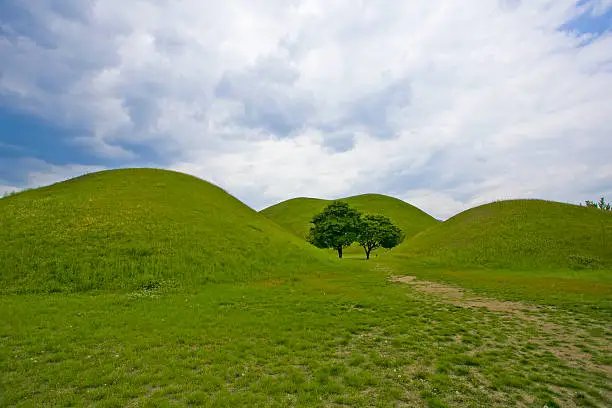
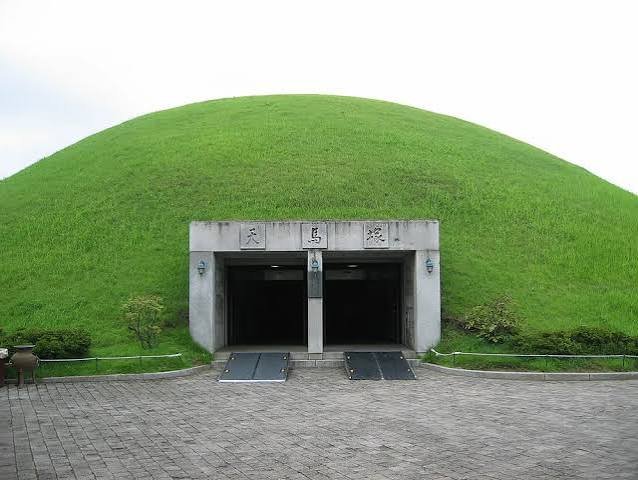
De grasheuvels die wie er voor het eerst komt verrassen, zijn in feite koninklijke graven. Bij Daereungwon, een parkachtige verzameling van deze heuvels, wandel je er middenin — tussen kilometers grasgroene glooiingen die 's ochtends vroeg of tegen zonsondergang op hun mooist zijn, met zachte licht en weinig andere bezoekers. Één graf, Cheonmachong, is vanbinnen opengesteld, zodat je ziet hoe het gebouwd is en enkele van de schatten kunt bekijken die erin zijn gevonden — gouden kronen, sieraden en het beschilderde voorwerp (een hemels paard) dat het graf zijn naam geeft.
Bulguksa-tempel en de Seokguram-grot
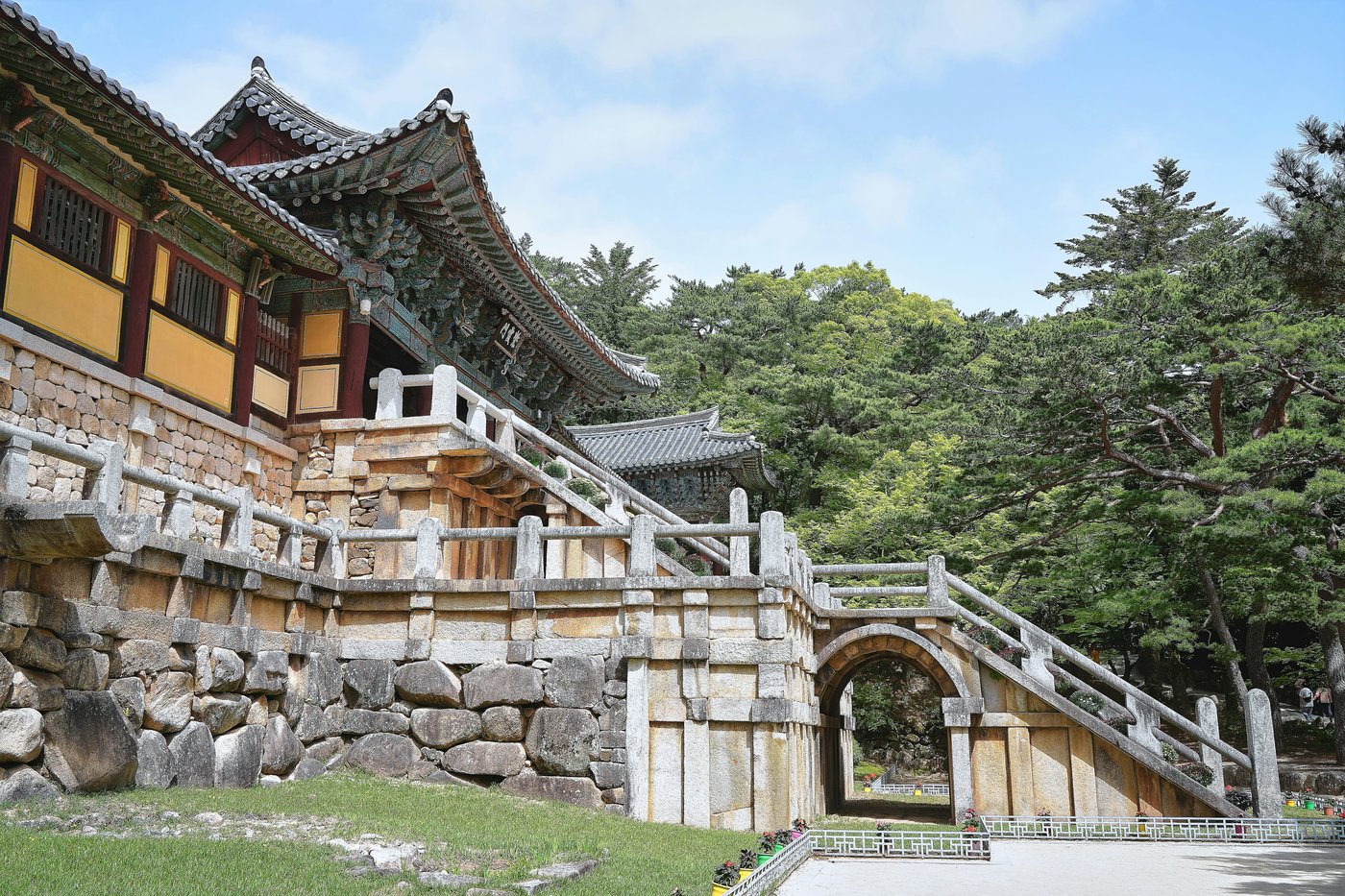
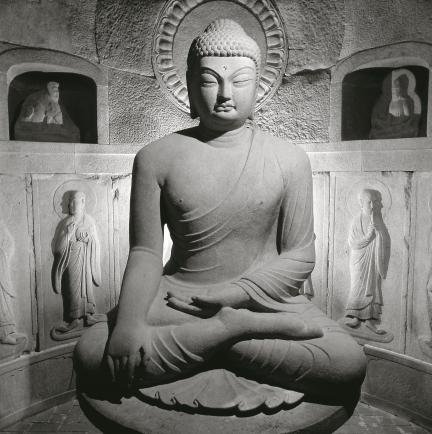
In de beboste heuvels net buiten de stad staan twee meesterwerken van boeddhistische kunst: de Bulguksa-tempel, met zijn stenen terrassen en pagodes, en de nabijgelegen Seokguram-grot, met een serene stenen Boeddha die uitkijkt over zee. Beide staan op de UNESCO-lijst en behoren tot de mooiste voorbeelden van Silla-vakmanschap in heel Korea. Reken op zeker een halve dag voor beide samen: Seokguram ligt hoger op de berg en is per shuttlebus of taxi vanaf Bulguksa te bereiken.
Woljeonggyo-brug en Donggung-paleis
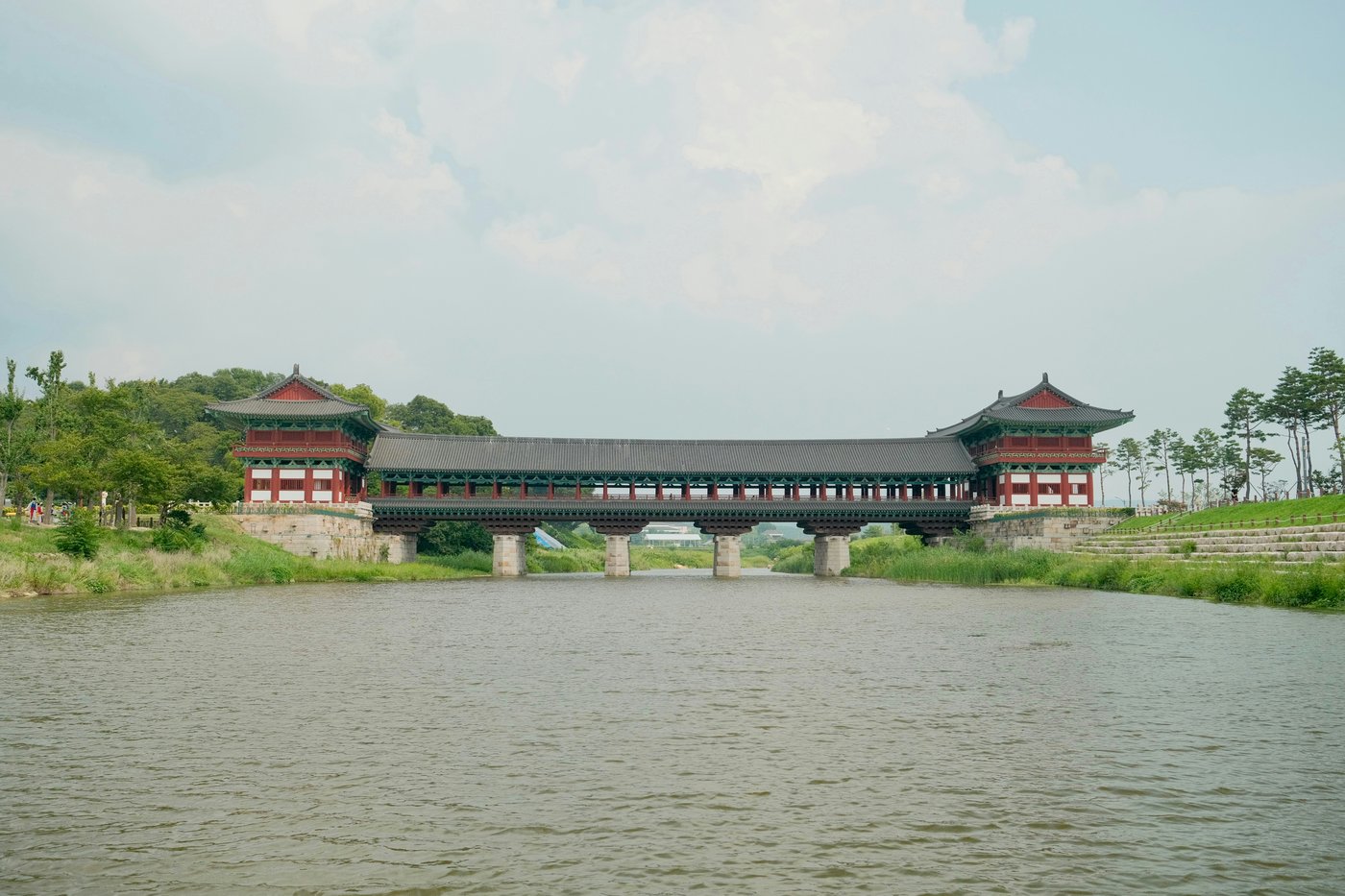
Terug in het centrum laat de gereconstrueerde Woljeonggyo-brug — een lange gang van dieprode pilaren — je de schaal van de oude hoofdstad voelen op een manier die geen museumbordje kan. Vlakbij zijn het Donggung-paleis en de Wolji-vijver vooral na zonsondergang prachtig, wanneer de paviljoenen oplichten en zich perfect spiegelen in het stille water. Het is een van de weinige plekken in Gyeongju die juist 's avonds op hun best zijn, dus plan hier gerust een avondwandeling in na het diner.
Eten en wandelen: Hwangridan-gil
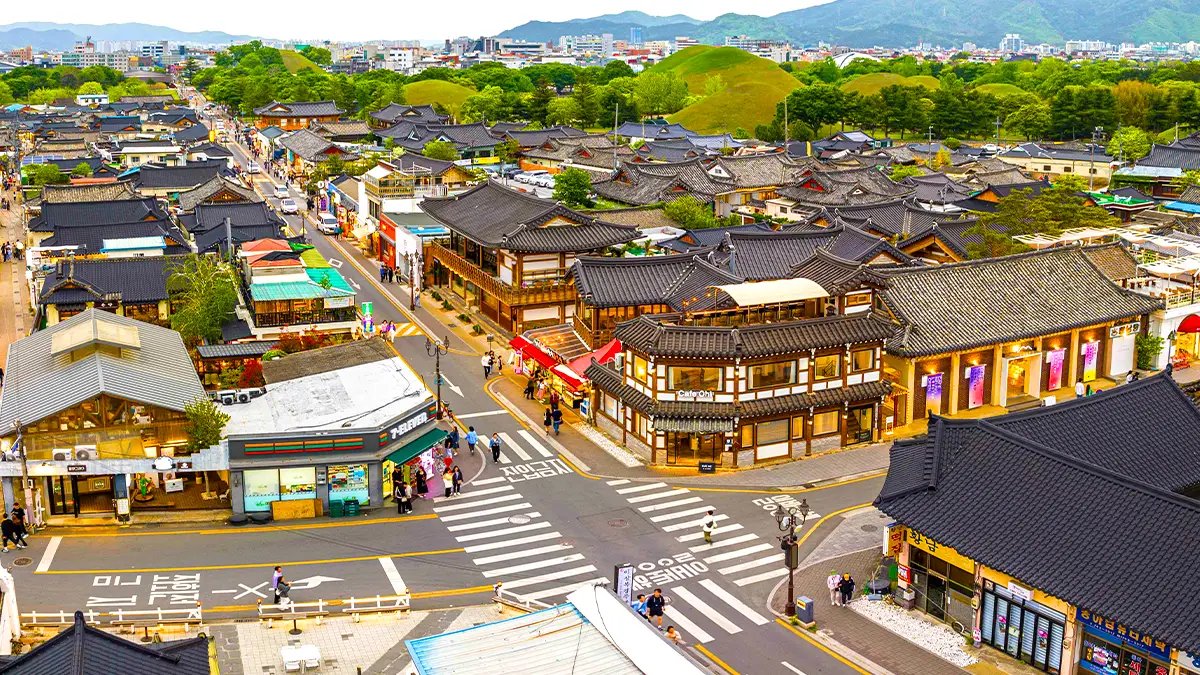
Naast de historische bezienswaardigheden heeft Gyeongju ook een verrassend levendige kant. Hwangridan-gil, een wijk met smalle straatjes vol hanok-cafés, kleine galerieën en boetiekwinkeltjes, is de plek om even niets te "moeten" en gewoon te dwalen. Probeer er de lokale specialiteit hwangnam-ppang, een klein rond broodje gevuld met zoete rode bonenpasta — een Gyeongju-traditie die al generaties meegaat en overal in de stad te vinden is, van kraampjes tot bakkerijen.
Praktisch: tickets, openingstijden en verplaatsen
De meeste sites in Gyeongju zijn goedkoop of zelfs gratis toegankelijk. Daereungwon en Bulguksa vragen een kleine toegangsprijs (meestal een paar euro), het Gyeongju National Museum is gratis. De meeste locaties zijn dagelijks open van ochtend tot avond, met iets kortere uren in de winter — check voor je bezoek de actuele tijden, want deze wisselen weleens per seizoen.
Omdat de bezienswaardigheden verspreid liggen over de stad en de heuvels erbuiten, is een (elektrische) huurfiets een populaire en aangename manier om je te verplaatsen: Gyeongju is relatief vlak in het centrum en de fietspaden zijn goed. Voor Bulguksa en Seokguram, die verder buiten de stad liggen, is een taxi, lokale bus of georganiseerde tour praktischer.
Wanneer te gaan en hoe lang te blijven
De lente, met kersenbloesem, en de herfst, met haar kleuren, zijn de mooiste tijden om te gaan — vooral omdat Daereungwon en de tempelterreinen dan extra fotogeniek zijn. Twee nachten is meestal genoeg om de hoogtepunten zonder haast te zien; met drie nachten heb je ook ruimte voor Hwangridan-gil en een rustiger tempo. Gyeongju is makkelijk te bereiken en te combineren — ongeveer twee uur van Seoul met de KTX en zo'n uur van Busan — wat het een natuurlijke aanvulling maakt op een Zuid-Korea-reis.
Waarom Gyeongju je bijblijft
Gyeongju beloont een rustiger tempo. Het is geen afvinklijst van monumenten maar een plek waar geschiedenis en dagelijks leven dezelfde straten delen — het soort bestemming dat een Korea-reis stilletjes verandert in iets wat reizigers onthouden en aanbevelen. Veel bezoekers voegen het toe via een reis op maat, waarbij een lokale partner de timing en details regelt zodat niets gemist wordt.
Denk je aan Gyeongju voor je eigen reis? Vertel ons je plannen — dan bekijken we hoeveel tijd hier het beste past bij jouw route. Gratis en vrijblijvend.