Een jaar of tien geleden was Zuid-Korea voor de meeste Nederlandse en Belgische reizigers hooguit een naam op een kaart, ergens tussen Japan en China. Vandaag staat het land bij steeds meer mensen bovenaan het lijstje — niet als alternatief voor Japan, maar als bestemming op zichzelf. Wij merken dat al een paar jaar: het aantal aanvragen voor reizen op maat naar Zuid-Korea groeit gestaag, en het zijn allang niet meer alleen de doorgewinterde Azië-reizigers die vragen stellen.
Wat maakt dat Zuid-Korea deze sprong heeft gemaakt? En is het ook een bestemming voor jou? Dat leggen we in dit artikel uit.
In het kort
Grotere naamsbekendheid door K-cultuur · visumvrij voor Nederlanders en Belgen · uitstekende, makkelijk te gebruiken reisinfrastructuur · combinatie van moderne steden, natuur en diepe traditie · goed te combineren met Japan.
K-cultuur maakte het land eerst bekend — de reis maakt het onvergetelijk
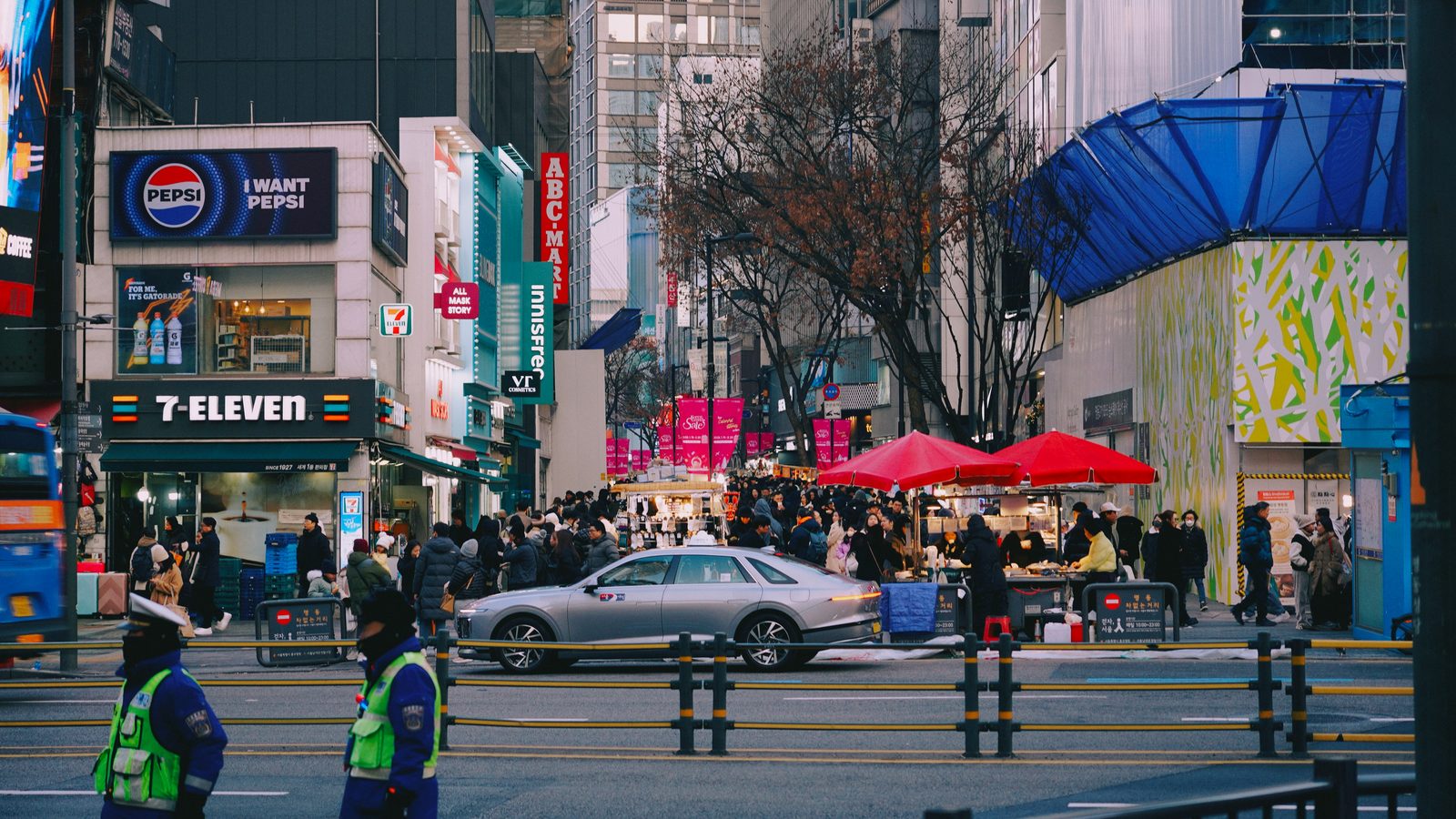
De eerste kennismaking met Zuid-Korea verloopt voor veel Europeanen tegenwoordig niet via een reisgids, maar via een scherm: K-pop, Koreaanse series, Koreaanse films en de groeiende populariteit van Koreaans eten hebben het land een gezicht gegeven dat het tien jaar geleden nog niet had. Waar die culturele kennismaking begint, eindigt de interesse zelden — wie eenmaal het decor van een serie herkent in een echte straat in Seoul, of voor het eerst authentieke Koreaanse bbq proeft in plaats van de geëxporteerde versie, wil vaak meer zien.
Voor ons is dat een van de leukste dingen om te begeleiden: reizigers die met een beeld uit een serie of een gerecht als vertrekpunt beginnen, en na hun reis vooral onder de indruk zijn van alles wat ze daarnaast hebben ontdekt.
Visumvrij, en makkelijker dan je denkt
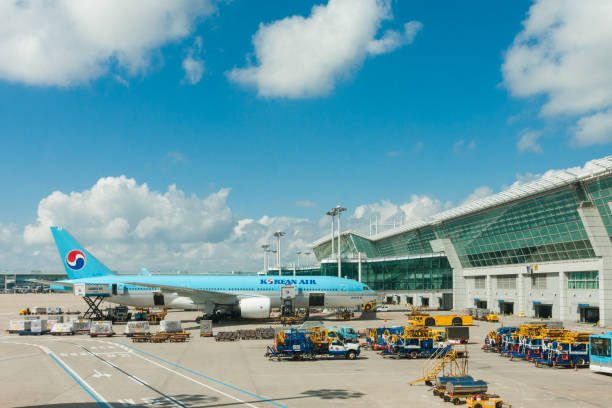
Een praktische reden die vaak onderschat wordt: Nederlanders en Belgen kunnen zonder visum naar Zuid-Korea reizen voor kort verblijf. Dat verlaagt de drempel enorm vergeleken met bestemmingen waar wel een visumaanvraag nodig is. Eenmaal aangekomen valt vooral op hoe soepel alles verloopt: Incheon Airport geldt al jaren als een van de best georganiseerde luchthavens ter wereld, het land is schoon en veilig, en de infrastructuur is van westerse kwaliteit — vaak zelfs beter.
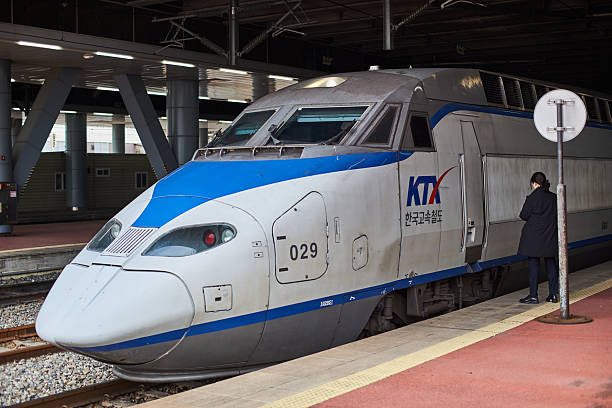
De KTX-hogesnelheidstrein verbindt Seoul met Busan in iets meer dan twee uur, de metro's in Seoul en Busan zijn modern en overzichtelijk, en in de grotere steden is Engelstalige bewegwijzering de standaard. Voor wie voor het eerst naar Azië reist, is dat een groot verschil: Zuid-Korea voelt exotisch genoeg om bijzonder te zijn, maar nooit zo overweldigend dat je het gevoel hebt de controle kwijt te raken.
Een land van contrasten die naast elkaar bestaan
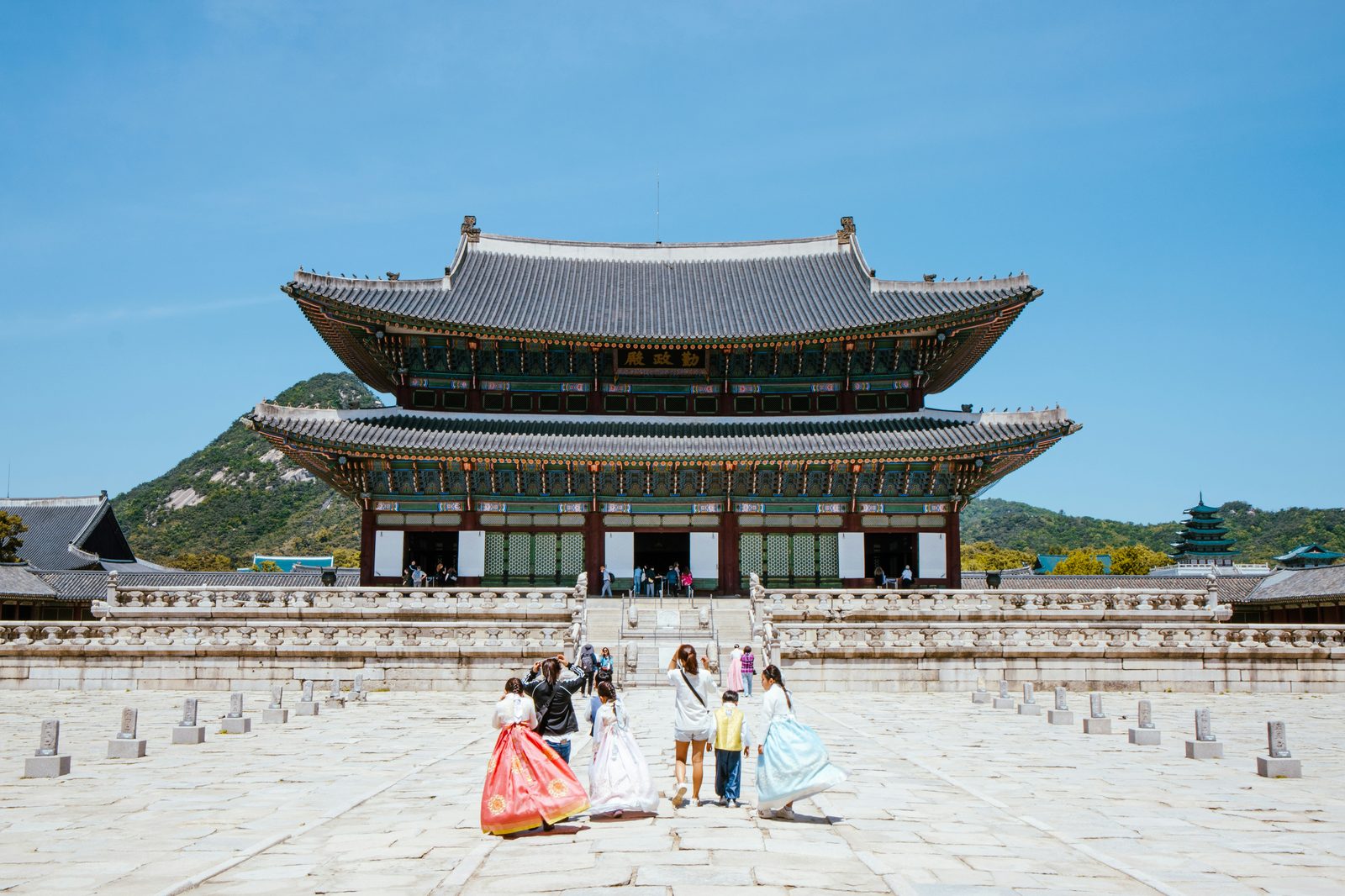
Wat Zuid-Korea uniek maakt, is hoe dicht het moderne en het traditionele bij elkaar liggen — niet als toeristische enscenering, maar als dagelijkse realiteit. In Seoul sta je binnen een paar metro-haltes van elkaar tussen wolkenkrabbers in Gangnam en de eeuwenoude paleizen van de Joseon-dynastie. Rond diezelfde paleizen lopen bezoekers in gehuurde hanbok tussen de toeristen met smartphones door. Buiten de hoofdstad wisselen historische steden als Gyeongju, traditionele hanokdorpen, boeddhistische tempels en glooiende bergketens elkaar af, allemaal binnen een paar uur reizen van elkaar.
Die combinatie van diepgang zonder overweldigende complexiteit spreekt veel Europese reizigers aan: genoeg cultuur en geschiedenis om weken zoet mee te zijn, maar altijd behapbaar, met korte reistijden tussen de hoogtepunten.
Voor bijna elk soort reiziger iets
Een andere reden voor de groei is dat Zuid-Korea zich niet tot één reisstijl beperkt. Het land werkt net zo goed voor:
- Cultuurliefhebbers — paleizen, tempels, UNESCO-werelderfgoed en historische steden als Gyeongju en Andong.
- Foodies — van straatvoedsel in Myeongdong tot de culinaire reputatie van Jeonju, met een keuken die veel dieper gaat dan Korean bbq alleen.
- Natuurliefhebbers en wandelaars — vijf grote hikinggebieden, van Seoraksan tot Hallasan op Jeju.
- Gezinnen — een veilig, schoon land met genoeg afwisseling tussen actief en rustig.
- Fotografen en verhalenzoekers — van neonverlichte steegjes tot rustige tempelverblijven.
Die veelzijdigheid betekent dat een reis naar Zuid-Korea er voor iedereen anders uitziet — wat het ook een dankbare bestemming maakt om op maat te plannen in plaats van in een vaste groepsreis te proppen.
Steeds vaker gecombineerd met Japan
Een groeiend aantal reizigers combineert Zuid-Korea met Japan in één reis. Korte vlucht- en veerverbindingen tussen de twee landen maken dat goed te plannen, en de twee bestemmingen vullen elkaar aan qua sfeer: waar Japan vaak als verfijnd en ingetogen wordt ervaren, voelt Zuid-Korea energieker en toegankelijker — en net iets minder toeristisch, simpelweg omdat er nog altijd minder westerse bezoekers komen dan naar Japan.
Tip
Overweeg je een combinatiereis met Japan? Een verblijf van minstens twee weken geeft beide landen genoeg ruimte zonder dat het een afvinklijst wordt. We denken hier graag in mee, ook als je route nog niet vaststaat.
Is Zuid-Korea ook iets voor jou?
Zuid-Korea is een bijzonder geschikte bestemming als je op zoek bent naar een land dat cultureel rijk aanvoelt zonder overweldigend te zijn, als je nieuwsgierig bent naar Koreaanse cultuur, eten of series, als je liever zelf een route samenstelt dan in een grote groep reist, of als je een eerste reis buiten Europa overweegt en een land zoekt waar alles soepel verloopt.
Minder geschikt is het waarschijnlijk als je vooral op zoek bent naar strandvakanties, of als je een reis van hooguit een week wilt combineren met heel veel verschillende landen — daarvoor is Zuid-Korea, met zijn rijkdom aan bezienswaardigheden, eigenlijk te de moeite waard om te haasten.
Nieuwsgierig of Zuid-Korea bij jouw wensen past? Vertel ons wat je zoekt, dan denken we vrijblijvend met je mee — of je nu al een duidelijk beeld hebt, of nog helemaal aan het begin staat.
Informatie is indicatief op basis van 2026 en kan wijzigen, bijvoorbeeld met betrekking tot visumvereisten.